
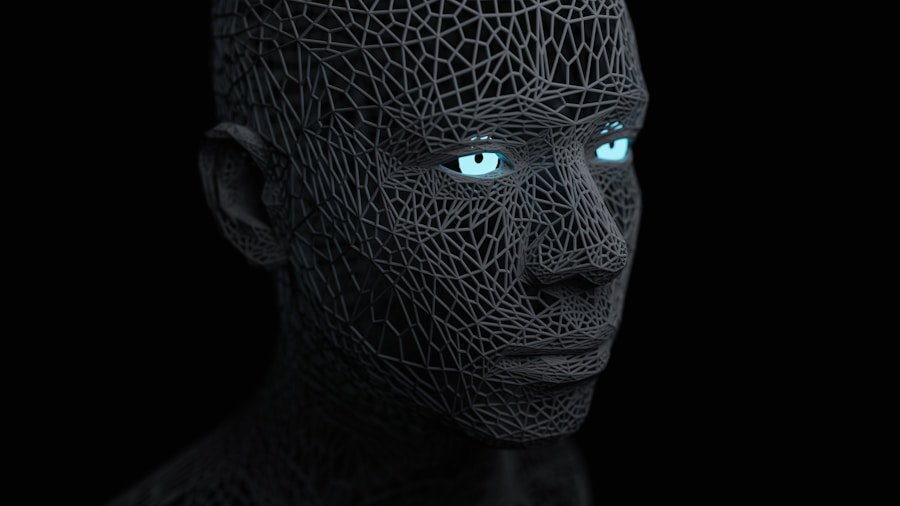

Deepfakes, a portmanteau of “deep learning” and “fake,” represent an advanced form of media synthesis where artificial intelligence (AI) generates or alters visual and audio content to create highly realistic but entirely fabricated media. This technology, emerging from rapid advancements in generative adversarial networks (GANs) and other AI models, poses significant threats to individual privacy, reputation, and societal trust. Deepfake attacks exploit these capabilities to impersonate individuals, spread misinformation, and facilitate fraud. Understanding the mechanisms of deepfake generation and implementing robust defensive strategies are crucial in safeguarding one’s digital identity in an increasingly sophisticated threat landscape.
Understanding Deepfakes: The Digital Doppelgänger
Deepfakes are not merely doctored images or videos; they are sophisticated creations that leverage AI to learn patterns from existing media of a target individual. This learning process enables the AI to generate new content that appears to be authentic, mimicking facial expressions, speech patterns, and even body language.
How Deepfakes Are Created
The fundamental principle behind deepfake generation involves two competing neural networks: a generator and a discriminator.
- Generator Network: This network is tasked with creating synthetic media, such as an image or video frame, based on input data (e.g., source video footage, a target voice recording). It aims to produce content that is indistinguishable from real media.
- Discriminator Network: This network acts as a critic, attempting to distinguish between real media and the synthetic content produced by the generator. Its role is to identify fakes.
Through an iterative training process, the generator and discriminator engage in a game of one-upmanship. The generator continually refines its output to trick the discriminator, while the discriminator improves its ability to detect fakes. This adversarial process ultimately leads to the creation of highly convincing deepfakes.
Types of Deepfake Attacks
Deepfake technology manifests in various forms, each presenting distinct challenges:
- Face Swaps: This involves superimposing one person’s face onto another person’s body in a video or image. This is a common method for creating fabricated explicit content or impersonating public figures.
- Voice Cloning: AI models can analyze a short audio sample of an individual’s voice and then generate new speech in that person’s voice, often with convincing intonation and cadence. This can be used for fraudulent calls or spreading misinformation.
- Body Synthesis: More advanced deepfake techniques can generate entirely new body movements or alter existing ones, creating hyper-realistic movements not performed by the original individual.
- Expression Manipulation: This involves altering expressions on a person’s face in existing media, making them appear to convey emotions they did not originally express.
Proactive Defense Measures: Building Your Digital Fortress
Preventing deepfake attacks requires a multi-layered approach, akin to fortifying a castle against various siege weapons. Your digital footprint is your castle, and proactive measures are your ramparts and moats.
Minimizing Your Digital Exposure
The less material an attacker has to work with, the harder it is to create a compelling deepfake. Consider your online presence as a data reservoir for potential attackers.
- Content Scrutiny: Be mindful of the images, videos, and audio recordings you share publicly. Each piece of media contributes to the training data available for deepfake algorithms.
- Privacy Settings: Regularly review and strengthen privacy settings across all social media platforms and online services. Limit who can access your photos, videos, and professional public speaking engagements.
- Professional Profiles: Be judicious about the extent of your public presence on professional networking sites. While networking is valuable, excessive personal details, especially those involving visual or auditory content, can be exploited.
Digital Watermarking and Attribution
While not foolproof, digital watermarking can provide a layer of attribution and potentially deterrence.
- Invisible Watermarks: Consider using tools that embed invisible digital watermarks into your original content. These watermarks can carry metadata about the origin and authenticity of the media.
- Blockchain Integration: Some emerging technologies explore using blockchain to immutably timestamp and verify the origin of digital content. While still nascent, this could offer a powerful tool for provenance verification.
Reactive Defense Measures: Detecting and Responding to Attacks
Even with robust proactive measures, deepfakes may still emerge. Being prepared to detect and respond effectively is paramount.
Developing a Critical Eye: Spotting the Fakes
Deepfake detection is a rapidly evolving field, both for AI algorithms and human perception. Becoming adept at critically evaluating media is crucial.
- Inconsistencies and Artifacts: Deepfakes, especially less sophisticated ones, often exhibit subtle visual cues:
- Unusual Blinking Patterns: AI models may struggle to accurately replicate natural human blinking.
- Asymmetrical Features: Faces might appear slightly distorted or asymmetrical, particularly around the edges or eyes.
- Lighting Discrepancies: The lighting on the deepfaked element might not perfectly match the lighting of the background or surrounding environment.
- Graininess or Blur: Deepfaked areas might have a different level of detail, appearing either too smooth or unnaturally grainy.
- Inconsistent Skin Tone: Variations in skin tone or texture across the face can be a giveaway.
- Audio Anomalies: For voice deepfakes, listen for:
- Unnatural Cadence or Pitch: The voice might sound robotic, monotone, or have an unnatural rhythm.
- Background Noise Discrepancies: The absence or presence of background noise might not align with the visual context.
- Lack of Emotion: While improving, AI-generated voices can sometimes lack the full emotional range and nuance of human speech.
- Contextual Analysis: Evaluate the content against known facts and circumstances:
- Plausibility: Does the scenario depicted make sense given what you know about the person or situation?
- Source Credibility: Where did the content originate? Is the source known for accuracy and reliability?
- Multiple Sources: Do other reputable sources corroborate the information presented in the suspected deepfake?
Leveraging Deepfake Detection Tools
Specialized software and online platforms are continually being developed to assist in deepfake detection.
- AI-Powered Detectors: These tools use machine learning to analyze various features of media, including pixel patterns, facial landmarks, and audio signatures, to identify signs of manipulation. While not infallible, they can be valuable first-line defenses.
- Forensic Analysis: For highly sensitive cases, professional digital forensic analysts can employ advanced techniques to uncover even subtle deepfake markers.
Legal and Ethical Considerations: Navigating the Murky Waters
The proliferation of deepfakes raises complex legal and ethical questions that often outpace regulatory frameworks.
Reporting and Takedown Procedures
If you become a victim of a deepfake attack, timely action is critical.
- Platform Reporting: Immediately report the deepfake content to the platform where it is hosted (social media, video-sharing sites). Most platforms have clear policies against synthetic media used for malicious purposes.
- Legal Counsel: Consult with legal professionals to explore avenues for redress, especially if the deepfake is defamatory, fraudulent, or involves non-consensual sharing of intimate imagery. Laws regarding deepfakes vary by jurisdiction, but new legislation is emerging.
The Right to Be Forgotten and Reputation Management
Deepfakes can have long-lasting impacts on reputation.
- Online Reputation Management: Engage with experts in online reputation management to mitigate the damage caused by a deepfake and to suppress its visibility in search engine results.
- Establishing Truth: Proactively release statements or evidence that counters the deepfake narrative. This can involve public statements, verified personal videos, or collaborations with trusted media outlets.
The Future of Deepfakes and Perpetual Vigilance
The technology behind deepfakes is not static; it is a rapidly advancing field. What is easily detectable today may become imperceptible tomorrow.
The Deepfake Arms Race
The development of deepfake creation tools and detection technologies is an ongoing “arms race.” As deepfake generators become more sophisticated, so too must detection algorithms.
- Continuous Learning: Stay informed about new deepfake techniques and emerging detection methods. Resources from cybersecurity firms, academic researchers, and reputable tech news outlets can be valuable.
- Public Awareness Campaigns: Participate in and support initiatives that raise public awareness about the dangers of deepfakes. An informed populace is a more resilient populace.
Responsible AI Development
Addressing the deepfake challenge also requires responsibility from developers of AI technologies.
- Ethical AI Principles: Encourage and support the development of AI with strong ethical guidelines that prioritize safety, fairness, and transparency.
- Built-in Safeguards: Advocate for AI models to incorporate built-in safeguards against malicious use, even at the developmental stage. This could include digital provenance indicators embedded into all AI-generated content.

In conclusion, protecting your identity against deepfake attacks demands a combination of proactive foresight, critical thinking, and swift reactive measures. By understanding how deepfakes are created, fortifying your digital presence, cultivating a discerning eye, and knowing how to respond, you can navigate the complex currents of the digital age. This journey requires perpetual vigilance, as the landscape of digital deception continues to evolve.
FAQs
What are deepfake attacks?
Deepfake attacks involve the use of artificial intelligence and machine learning to create realistic but fake audio, video, or images that can be used to deceive or manipulate individuals.
How can deepfake attacks impact individuals?
Deepfake attacks can impact individuals by spreading false information, damaging reputations, and even leading to financial or personal security risks.
What are some ways to defend against deepfake attacks?
Some ways to defend against deepfake attacks include being cautious of the sources of media, using strong and unique passwords, enabling two-factor authentication, and staying informed about the latest deepfake detection technologies.
What are the potential legal implications of deepfake attacks?
The legal implications of deepfake attacks can include defamation, privacy violations, and intellectual property infringement, which may result in civil or criminal consequences for the perpetrators.
How can individuals stay informed about the latest developments in deepfake technology and defense strategies?
Individuals can stay informed about the latest developments in deepfake technology and defense strategies by following reputable news sources, attending cybersecurity conferences, and seeking guidance from cybersecurity experts.